


Ndate Yalla
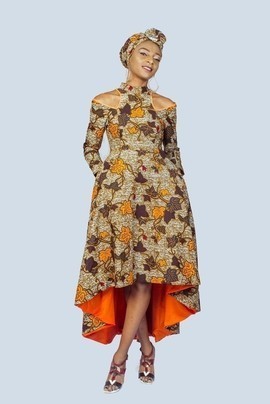
Description of the model La Linguère Ndaté Yalla is the last sovereign of Walo, in the current Saint-Louis region of Senegal. What to remember from Ndaté Yalla? A sovereign, a fighter, a resistance fighter, a mother and an exceptional educator. She is exactly the image of the worthy, respectable and honorable Senegalese woman, the image we have of our mothers and grandmothers. Emblematic figure of colonial resistance, Linguère is an inspiration to us and this creation by Nefertiti's Code pays tribute to her for her elegance, her charisma and the intrepid iron lady that she was. This dress, with its grandiose cut and bell-cut sleeves, symbolizes the masterful and majestic elegance of any great lady of our time. Design and location level, this dress is perfect for the great moments of your life and will make you graceful in front of your mirror as in front of the audience. Description of the material / fabric At Néfertiti's Code we bet on the quality and authenticity of each outfit. All the dresses in this first "Manifesto" collection are designed with Chantung silk, a material particularly appreciated for its quality and known for its brilliance, luxury, silky and elegant appearance. A fabric whose secrets date back over 2,500 years, thanks to the Asians who developed its manufacture over the centuries and marketed it thanks to the Silk Road.
Translated automatically
View original
Description of the model La Linguère Ndaté Yalla is the last sovereign of Walo, in the current Saint-Louis region of Senegal. What to remember from Ndaté Yalla? A sovereign, a fighter, a resistance fighter, a mother and an exceptional educator. She is exactly the image of the worthy, respectable and honorable Senegalese woman, the image we have of our mothers and grandmothers. Emblematic figure of colonial resistance, Linguère is an inspiration to us and this creation by Nefertiti's Code pays tribute to her for her elegance, her charisma and the intrepid iron lady that she was. This dress, with its grandiose cut and bell-cut sleeves, symbolizes the masterful and majestic elegance of any great lady of our time. Design and location level, this dress is perfect for the great moments of your life and will make you graceful in front of your mirror as in front of the audience. Description of the material / fabric At Néfertiti's Code we bet on the quality and authenticity of each outfit. All the dresses in this first "Manifesto" collection are designed with Chantung silk, a material particularly appreciated for its quality and known for its brilliance, luxury, silky and elegant appearance. A fabric whose secrets date back over 2,500 years, thanks to the Asians who developed its manufacture over the centuries and marketed it thanks to the Silk Road.
Description du modèle
La Linguère Ndaté Yalla est la dernière souveraine du Walo, dans l'actuelle région de Saint-Louis du Sénégal.
Que retenir de Ndaté Yalla? Une souveraine, une combattante, une résistante, une mère et une éducatrice exceptionnelle. Elle est exactement l'image de la femme sénégalaise digne, respectable et honorable, l'image que nous avons de nos mères et grand-mères.
Figure emblématique de la résistance coloniale, la Linguère est une inspiration nous et cette création de Néfertiti's Code lui rend hommage pour son élégance, son charisme et la dame de fer intrépide qu'elle était.
Cette robe, de par sa coupe grandiose et ses manches taillées en cloche , symbolise l'élégance magistrale et majestueuse de toute grande dame de notre époque.
Niveau design et lieu, cette robe s'apprête parfaitement pour les grands moments de votre vie et vous rendra gracieuse devant votre miroir comme devant l'audience.
Description de la matière / du tissu
Chez Néfertiti's Code nous parions sur la qualité et l'authenticité de chaque tenue.
L'ensemble des robes de cette première collection " Manifeste" est conçu avec la soie Chantung, une matière particulièrement appréciée pour sa qualité et connue pour sa brillance, son luxe, son aspect soyeux et élégant. Un tissu dont les secrets remontent à plus 2500 ans, grâce aux asiatiques qui élaborèrent sa fabrication au fil des siècles et le commercialisèrent grâce à la route de la soie.
More from nefertitiscode
Visit the shop


You May Also Like
Explore More


Similar searches
At Africa Creates, we do not believe in the myth of predefined sizes. Each body is different and deserves an outfit just as unique. Therefore, to use this guide, we recommend using your measurements in inches (as explained below) rather than the "4 to 22" sizes.
From there you can select the corresponding international size for your order, and each seller will then be able to make sure to send the PERFECT fit for YOU!
How to measure ?
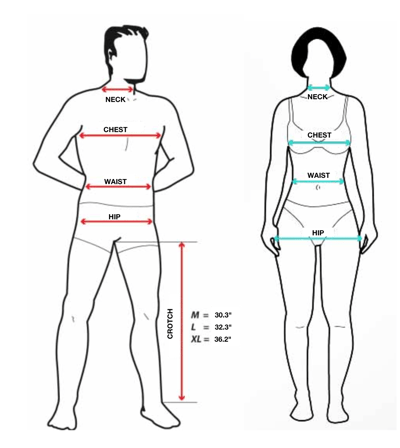
Collar size
Measure around the neck at the neck.
Chest size
Measure around your bust where it is wider by placing the tape measure under the arms and over the shoulder blades.
Waist size
Measure in the hollow of the waist.
Hip size
Keep your feet together and measure the widest part.
Crotch tower
Measure the top of the crotch up to the ankle bone.
Woman - Tops and dresses
| Int | Chest (in) | Waist (in) | Hip (in) | EU | UK | US |
|---|---|---|---|---|---|---|
| XXS | 30.7" - 32.3" | 22.8" - 24.4" | 33.1" - 34.6" | 32 | 4 | 0 |
| XS | 32.3" - 33.9" | 24.4" - 26" | 34.6" - 36.2" | 34 | 6 | 2 |
| S | 33.9" - 35.4" | 26" - 27.6" | 36.2" - 37.8" | 36 | 8 | 4 |
| M | 35.4" - 37" | 27.6" - 29.1" | 37.8" - 39.4" | 38 | 10 | 6 |
| L | 37" - 38.6" | 29.1" - 30.7" | 39.4" - 40.9" | 40 | 12 | 8 |
| XL | 38.6" - 40.2" | 30.7" - 32.3" | 40.9" - 42.5" | 42 | 14 | 10 |
| XXL | 40.2" - 41.7" | 32.3" - 33.9" | 42.5" - 44.1" | 44 | 16 | 12 |
| 3XL | 41.7" - 43.3" | 33.9" - 35.4" | 44.1" - 45.7" | 46 | 18 | 14 |
| 4XL | 43.3" - 45.7" | 35.4" - 38.6" | 45.7" - 48" | 48 | 20 | 16 |
| 5XL | 45.7" - 48" | 38.6" - 41.7" | 48" - 50.4" | 50 | 22 | 18 |
| 6XL | 48" - 50.4" | 41.7" - 44.9" | 50.4" - 52.8" | 52 | 24 | 20 |
| 7XL | 50.4" - 52.8" | 44.9" - 48" | 52.8" - 55.1" | 54 | 26 | 22 |
Woman - Pants, Skirts and Shorts
| Int | Waist (in) | EU | UK | US |
|---|---|---|---|---|
| XXS | 22.8" - 24.4" | 32 | 4 | 0 |
| XS | 24.4" - 26" | 34 | 6 | 2 |
| S | 26" - 27.6" | 36 | 8 | 4 |
| M | 27.6" - 29.1" | 38 | 10 | 6 |
| L | 29.1" - 30.7" | 40 | 12 | 8 |
| XL | 30.7" - 32.3" | 42 | 14 | 10 |
| XXL | 32.3" - 33.9" | 44 | 16 | 12 |
| 3XL | 33.9" - 35.4" | 46 | 18 | 14 |
| 4XL | 35.4" - 38.6" | 48 | 20 | 16 |
| 5XL | 38.6" - 41.7" | 50 | 22 | 18 |
| 6XL | 41.7" - 44.9" | 52 | 24 | 20 |
| 7XL | 44.9" - 48" | 54 | 26 | 22 |
Woman - Swimwear
| Int | Chest (in) | Waist (in) | Hip (in) | EU | UK | US |
|---|---|---|---|---|---|---|
| XXS | 30.7" | 23.6" | 33.1" | 32 | 4 | 0 |
| XS | 31.5" | 24.4" | 33.9" | 34 | 6 | 2 |
| S | 32.7" | 25.6" | 35" | 36 | 8 | 4 |
| M | 34.6" | 27.6" | 37" | 38 | 10 | 6 |
| L | 36.6" | 29.5" | 39" | 40 | 12 | 8 |
| XL | 38.6" | 31.5" | 40.9" | 42 | 14 | 10 |
| XXL | 40.5" | 33.5" | 42.9" | 44 | 16 | 12 |
| 3XL | 43.3" | 36.2" | 45.7" | 46 | 18 | 14 |
Woman - Bra
| Below the breasts (in) | Above the breasts (in) | EU | UK | US |
|---|---|---|---|---|
| 22.8" - 24.4" | 27.6" - 28.3" | 75 (AA) | ||
| 22.8" - 24.4" | 28.3" - 29.1" | 75 (A) | 28A | 28A |
| 22.8" - 24.4" | 29.1" - 29.9" | 75 (B) | 28B | 28B |
| 22.8" - 24.4" | 29.9" - 30.7" | 75 (C) | 28C | 28C |
| 22.8" - 24.4" | 30.7" - 31.5" | 75 (D) | 28D | 28D |
| 22.8" - 24.4" | 31.5" - 32.3" | 75 (E) | 28DD | 28DD |
| 22.8" - 24.4" | 32.3" - 33.1" | 75 (F) | 28E | 28DDD |
| 22.8" - 24.4" | 33" - 33.9" | 75 (G) | 28F | 28G |
| 22.8" - 24.4" | 33.9" - 34.6" | 75 (H) | 28FF | 28H |
| 24.4" - 26.4" | 30.3" - 31.1" | 80 (A) | 30A | 30A |
| 24.4" - 26.4" | 31.1" - 31.9" | 80 (B) | 30B | 30B |
| 24.4" - 26.4" | 31.9" - 32.7" | 80 (C) | 30C | 30C |
| 24.4" - 26.4" | 32.7" - 33.5" | 80 (D) | 30D | 30D |
| 24.4" - 26.4" | 33.5" - 34.2" | 80 (E) | 30DD | 30DD |
| 24.4" - 26.4" | 34.2" - 35" | 80 (F) | 30E | 30DDD |
| 24.4" - 26.4" | 35" - 35.8" | 80 (G) | 30F | 30G |
| 24.4" - 26.4" | 35.8" - 36.6" | 80 (H) | 30FF | 30H |
| 26.4" - 28.3" | 32.3" - 33.1" | 85 (A) | 32A | 32A |
| 26.4" - 28.3" | 33.1" - 33.9" | 85 (B) | 32B | 32B |
| 26.4" - 28.3" | 33.9" - 34.6" | 85 (C) | 32C | 32C |
| 26.4" - 28.3" | 34.6" - 35.4" | 85 (D) | 32D | 32D |
| 26.4" - 28.3" | 35.4" - 36.2" | 85 (E) | 32DD | 32DD |
| 26.4" - 28.3" | 36.2" - 37" | 85 (F) | 32E | 32DDD |
| 26.4" - 28.3" | 37" - 37.8" | 85 (G) | 32F | 32G |
| 26.4" - 28.3" | 37.8" - 38.6" | 85 (H) | 32FF | 32H |
| 28.3" - 30.3" | 34.2" - 35" | 90 (A) | 34A | 34A |
| 28.3" - 30.3" | 35" - 35.8" | 90 (B) | 34B | 34B |
| 28.3" - 30.3" | 35.8" - 36.6" | 90 (C) | 34C | 34C |
| 28.3" - 30.3" | 36.6" - 37.4" | 90 (D) | 34D | 34D |
| 28.3" - 30.3" | 37.4" - 38.2" | 90 (E) | 34DD | 34DD |
| 28.3" - 30.3" | 38.2" - 39" | 90 (F) | 34E | 34DDD |
| 28.3" - 30.3" | 39" - 39.8" | 90 (G) | 34F | 34G |
| 28.3" - 30.3" | 39.8" - 40.5" | 90 (H) | 34FF | 34H |
| 30.3" - 32.3" | 36.2" - 37" | 95 (A) | 36A | 36A |
| 30.3" - 32.3" | 37" - 37.8" | 95 (B) | 36B | 36B |
| 30.3" - 32.3" | 37.8" - 38.6" | 95 (C) | 36C | 36C |
| 30.3" - 32.3" | 38.6" - 39.4" | 95 (D) | 36D | 36D |
| 30.3" - 32.3" | 39.4" - 40.2" | 95 (E) | 36DD | 36DD |
| 30.3" - 32.3" | 40.2" - 40.9" | 95 (F) | 36E | 36DDD |
| 30.3" - 32.3" | 40.9" - 41.7" | 95 (G) | 36F | 36G |
| 30.3" - 32.3" | 41.7" - 42.5" | 95 (H) | 36FF | 36H |
| 100 (AA) | ||||
| 32.3" - 34.2" | 38.2" - 39" | 100 (A) | 38A | 38A |
| 32.3" - 34.2" | 39" - 39.8" | 100 (B) | 38B | 38B |
| 32.3" - 34.2" | 39.8" - 40.5" | 100 (C) | 38C | 38C |
| 32.3" - 34.2" | 40.5" - 41.3" | 100 (D) | 38D | 38D |
| 32.3" - 34.2" | 41.3" - 42.1" | 100 (E) | 38DD | 38DD |
| 32.3" - 34.2" | 42.1" - 42.9" | 100 (F) | 38E | 38DDD |
| 32.3" - 34.2" | 42.9" - 43.7" | 100 (G) | 38F | 38G |
| 32.3" - 34.2" | 43.7" - 44.5" | 100 (H) | 38FF | 38H |
| 34.2" - 36.2" | 40.2" - 40.9" | 105 (A) | 40A | 40A |
| 34.2" - 36.2" | 40.9" - 41.7" | 105 (B) | 40B | 40B |
| 34.2" - 36.2" | 41.7" - 42.5" | 105 (C) | 40C | 40C |
| 34.2" - 36.2" | 42.5" - 43.3" | 105 (D) | 40D | 40D |
| 34.2" - 36.2" | 43.3" - 44.1" | 105 (E) | 40DD | 40DD |
| 34.2" - 36.2" | 44.1" - 44.9" | 105 (F) | 40E | 40DDD |
| 34.2" - 36.2" | 44.9" - 45.7" | 105 (G) | 40F | 40G |
| 34.2" - 36.2" | 45.7" - 46.5" | 105 (H) | 40FF | 40H |
| 36.2" - 38.2" | 42.1" - 42.9" | 110 (A) | 42A | 42A |
| 36.2" - 38.2" | 42.9" - 43.7" | 110 (B) | 42B | 42B |
| 36.2" - 38.2" | 43.7" - 44.5" | 110 (C) | 42C | 42C |
| 36.2" - 38.2" | 44.5" - 45.3" | 110 (D) | 42D | 42D |
| 36.2" - 38.2" | 45.3" - 46.1" | 110 (E) | 42DD | 42DD |
| 36.2" - 38.2" | 46.1" - 46.8" | 110 (F) | 42E | 42DDD |
| 36.2" - 38.2" | 46.8" - 47.6" | 110 (G) | 42F | 42G |
| 36.2" - 38.2" | 47.6" - 48.4" | 110 (H) | 42FF | 42H |
| 38.2" - 40.2" | 44.1" - 44.9" | 115 (A) | 44A | 44A |
| 38.2" - 40.2" | 44.9" - 45.7" | 115 (B) | 44B | 44B |
| 38.2" - 40.2" | 45.7" - 46.5" | 115 (C) | 44C | 44C |
| 38.2" - 40.2" | 46.5" - 47.2" | 115 (D) | 44D | 44D |
| 38.2" - 40.2" | 47.2" - 48" | 115 (E) | 44DD | 44DD |
| 38.2" - 40.2" | 48" - 48.8" | 115 (F) | 44E | 44DDD |
| 38.2" - 40.2" | 48.8" - 49.6" | 115 (G) | 44F | 44G |
| 38.2" - 40.2" | 49.6" - 50.4" | 115 (H) | 44FF | 44H |
Man - Shirts
| Int | Chest (in) | Neckband (in) |
|---|---|---|
| XXS | 32"-34" | 14" |
| XS | 34"-36" | 14.5" |
| S | 36"-38" | 15" |
| M | 38"-40" | 16" |
| L | 40"-42" | 17" |
| XL | 42"-44" | 17.5" |
| XXL | 44"-46" | 18" |
| 3XL | 46"-48" | 18.5" |
Man - T-shirts, polos, sweatshirts and jumpers
| Int | Chest (in) |
|---|---|
| XXS | 32"-34" |
| XS | 34"-36" |
| S | 36"-38" |
| M | 38"-40" |
| L | 40"-42" |
| XL | 42"-44" |
| XXL | 44"-46" |
| 3XL | 46"-48" |
Man - Jackets, parkas and coats
| Int | Chest (in) |
|---|---|
| XXS | 32"-34" |
| XS | 34"-36" |
| S | 36"-38" |
| M | 38"-40" |
| L | 40"-42" |
| XL | 42"-44" |
| XXL | 44"-46" |
| 3XL | 46"-48" |
Man - Pants and shorts
| Int | Waist (in) | Height (in) | Crotch (in) |
|---|---|---|---|
| XXS | 26"-28" | Short | 30" |
| XS | 28"-30" | Standard | 32" |
| S | 30"-32" | Long | 34" |
| M | 32"-34" | ||
| L | 34"-36" | ||
| XL | 36"-38" | ||
| XXL | 38"-40" | ||
| 3XL | 40"-42" | ||
| 4XL | 42"-44" | ||
| 5XL | 44"-46" | ||
| 6XL | 46"-48" |
Kid - Baby
| Age | Weight (kg) | Height (in) |
|---|---|---|
| Birth | 3,3 | 19.7" |
| 1 month | 4 | 21.3" |
| 3 months | 5 - 6 | 23.6" |
| 6 months | 7 - 8 | 26.4" |
| 9 months | 8 - 9 | 27.9" |
| 12 months | 9 - 10 | 29.1" |
| 18 months | 11 | 31.9" |
| 24 months | 12 | 33.9" |
| 36 months | 14 | 37" |
Kid - Girl
| Age | Height (in) | Chest (in) | Waist (in) | Hip (in) |
|---|---|---|---|---|
| 2 years | 32.7" - 34.6" | 20.5" | 18.9" | 22" |
| 3 years | 34.7" - 37.8" | 21.3" | 19.7" | 22.8" |
| 4 years | 37.8" - 40.9" | 22" | 20.5" | 23.6" |
| 5 years | 40.9" - 43.3" | 22.8" | 20.9" | 24.4" |
| 6 years | 43.3" - 45.7" | 23.6" | 21.3" | 26" |
| 7 years | 45.7" - 48" | 24.4" | 21.6" | 26.8" |
| 8 years | 48" - 50.4" | 25.2" | 22" | 27.6" |
| 9 years | 50.4" - 52.8" | 26.4" | 22.4" | 28.7" |
| 10 years | 52.8" - 55.1" | 27.6" | 23.2" | 29.9" |
| 12 years | 55.1" - 59.8" | 30.7" | 24.4" | 33.1" |
| 14 years | 59.8" - 62.2" | 32.3" | 25.2" | 34.6" |
| 16 years | 62.2" - 64.6" | 33.9" | 26" | 36.2" |
Kid - Boy
| Age | Height (in) | Chest (in) | Waist (in) | Hip (in) |
|---|---|---|---|---|
| 2 years | 32.7" - 34.6" | 20.5" | 18.9" | 22" |
| 3 years | 34.6" - 37.8" | 21.3" | 19.7" | 22.8" |
| 4 years | 37.8" - 40.9" | 22" | 20.5" | 23.6" |
| 5 years | 40.9" - 43.3" | 22.8" | 20.9" | 24.4" |
| 6 years | 43.3" - 45.7" | 23.6" | 21.3" | 24.4" |
| 7 years | 45.7" - 48" | 24.4" | 21.6" | 25.2" |
| 8 years | 48" - 50.4" | 25.2" | 22" | 26" |
| 9 years | 50.4" - 52.8" | 26.4" | 22.4" | 27.2" |
| 10 years | 52.8" - 55.1" | 26.8" | 23.2" | 28.3" |
| 12 years | 55.1" - 59.8" | 29.5" | 26" | 30.7" |
| 14 years | 59.8" - 64.6" | 32.3" | 27.6" | 33.9" |
| 16 years | 64.6" - 69.3" | 35" | 29.1" | 36.2" |
Kids - Shoes
| EU | UK | US | in |
|---|---|---|---|
| 16 | 0.5 | 1 | 3.5" |
| 17 | 1 | 1.5 | 3.6" |
| 18 | 2 | 3 | 4" |
| 19 | 3 | 4 | 4.3" |
| 20 | 4 | 5 | 4.6" |
| 21 | 4.5 | 5.5 | 5" |
| 22 | 5 | 6 | 5.2" |
| 23 | 6 | 7 | 5.5" |
| 24 | 7 | 8 | 5.8" |
| 25 | 8 | 9 | 6.1" |
| 26 | 8.5 | 9.5 | 6.3" |
| 27 | 9 | 10 | 6.5" |
| 28 | 10 | 11 | 6.8" |
| 29 | 10.5 | 11.5 | 7" |
| 30 | 11 | 12 | 7.2" |
| 31 | 12 | 13 | 7.5" |
| 32 | 13 | Big Kid 1 | 7.7" |
| 33 | 13.5 | Big Kid 1,5 | 8" |
Woman - Shoes
| EU | UK | US | in |
|---|---|---|---|
| 34 | 2 | 4 | 8.2" |
| 35 | 2.5 | 4.5 | 8.3" |
| 35.5 | 3 | 5 | 8.5" |
| 36 | 3.5 | 5.5 | 8.8" |
| 36.5 | 4 | 6 | 8.9" |
| 37 | 4.5 | 6.5 | 9.1" |
| 37.5 | 5 | 7 | 9.3" |
| 38 | 5.5 | 7.5 | 9.4" |
| 38.5 | 6 | 8 | 9.5" |
| 39 | 6.5 | 8.5 | 9.7" |
| 39.5 | 7 | 9 | 9.9" |
| 40 | 7.5 | 9.5 | 10" |
| 40.5 | 8 | 10 | 10.2" |
| 41 | 8.5 | 10.5 | 10.3" |
| 41.5 | 9 | 11 | 10.5" |
| 42 | 9.5 | 11.5 | 10.7" |
| 42.5 | 10 | 12 | 10.9" |
Man - Shoes
| EU | UK | US | in |
|---|---|---|---|
| 38.5 | 5 | 5.5 | 9" |
| 39 | 5.5 | 6 | 9.3" |
| 39.5 | 6 | 6.5 | 9.5" |
| 40 | 6.5 | 7 | 9.6" |
| 40.5 | 7 | 7.5 | 9.8" |
| 41 | 7.5 | 8 | 9.9" |
| 41.5 | 8 | 8.5 | 10.1" |
| 42 | 8.5 | 9 | 10.3" |
| 42.5 | 9 | 9.5 | 10.4" |
| 43 | 9.5 | 10 | 10.6" |
| 43.5 | 10 | 10.5 | 10.8" |
| 44 | 10.5 | 11 | 10.9" |
| 44.5 | 11 | 11.5 | 11.1" |
| 45 | 11.5 | 12 | 11.3" |
| 46 | 12.5 | 13 | 11.6" |
| 47 | 13.5 | 14 | 11.9" |
| 48 | 14.5 | 15 | 12.2" |