Mixed Kente hoodie - Material 70% cotton 30% Polyester - Wash at 30 degrees Handmade by African Lov'it Fashion based in Germany. The History of Kente 🇬🇭 Kente is a multi-colored cotton fabric, believed to have once been made from raffia. The first written mention of the name kente (in the form 'kintee') dates from 1847 where it is used to describe a fabric located in the town of Popo in present-day Togo. It would be an Ewe fabric, the name of one of the two main ethnic groups to which the authorship of the fabric is attributed, the other being the Ashanti of Ghana. According to traditions noted among the Ewe of Ghana, the word is broken down in the Ewe language into the verbs ke and te meaning 'open' and 'close' respectively, which describe the raising and lowering of the warp threads necessary for weaving. According to an Ashanti tradition, the fabric was originally made of raffia, a material also used to make baskets and mattresses whose name was formerly kenten and kete. Another Ashanti version would make it a phrase in this language meaning 'whatever happens to it, it will not be torn apart.
Mixed Kente hoodie - Material 70% cotton 30% Polyester - Wash at 30 degrees Handmade by African Lov'it Fashion based in Germany. The History of Kente 🇬🇭 Kente is a multi-colored cotton fabric, believed to have once been made from raffia. The first written mention of the name kente (in the form 'kintee') dates from 1847 where it is used to describe a fabric located in the town of Popo in present-day Togo. It would be an Ewe fabric, the name of one of the two main ethnic groups to which the authorship of the fabric is attributed, the other being the Ashanti of Ghana. According to traditions noted among the Ewe of Ghana, the word is broken down in the Ewe language into the verbs ke and te meaning 'open' and 'close' respectively, which describe the raising and lowering of the warp threads necessary for weaving. According to an Ashanti tradition, the fabric was originally made of raffia, a material also used to make baskets and mattresses whose name was formerly kenten and kete. Another Ashanti version would make it a phrase in this language meaning 'whatever happens to it, it will not be torn apart.
ColorBlack
GenderFor Him
MaterialCotton, Polyester
Ships fromGermany
Inspired byCameroon
Hoodie mixte Kente
- Matière 70% coton 30% Polyester
-Lavage à 30 degré
Fait par main par l’Africaine Lov’it Fashion basé en Allemagne .
L’histoire du Kente 🇬🇭
Le Kente est un tissu multicolore de coton, dont on pense qu’il a autrefois été fait de raffia.
La première mention écrite du nom kente (sous la forme ‘kintee’) date de 1847 où il est utilisé pour décrire un tissu localisé dans la ville de Popo dans l’actuel Togo. Il s’agirait d’un tissu éwé, nom d’une des deux principales ethnies à qui la paternité du tissu est attribuée, l’autre étant les Ashanti du Ghana. Selon des traditions relevées chez des Ewe du Ghana, le mot se décomposerait en langue éwé en les verbes ke et te signifiant respectivement ‘ouvrir’ et ‘fermer’ qui décriraient la montée et l’abaissement des fils de chaîne nécessaires au tissage. D’après une tradition ashanti, le tissu aurait à l’origine été fait de raffia, un matériau aussi utilisé pour fabriquer corbeilles et matelas dont le nom était autrefois kenten et kete. Une autre version ashanti en ferait une phrase de cette langue signifiant ‘quoi qu’il lui arrive, ça ne se déchirera pas.
Seller's original description, in French
Hoodie mixte Kente
- Matière 70% coton 30% Polyester
-Lavage à 30 degré
Fait par main par l’Africaine Lov’it Fashion basé en Allemagne .
L’histoire du Kente 🇬🇭
Le Kente est un tissu multicolore de coton, dont on pense qu’il a autrefois été fait de raffia.
La première mention écrite du nom kente (sous la forme ‘kintee’) date de 1847 où il est utilisé pour décrire un tissu localisé dans la ville de Popo dans l’actuel Togo. Il s’agirait d’un tissu éwé, nom d’une des deux principales ethnies à qui la paternité du tissu est attribuée, l’autre étant les Ashanti du Ghana. Selon des traditions relevées chez des Ewe du Ghana, le mot se décomposerait en langue éwé en les verbes ke et te signifiant respectivement ‘ouvrir’ et ‘fermer’ qui décriraient la montée et l’abaissement des fils de chaîne nécessaires au tissage. D’après une tradition ashanti, le tissu aurait à l’origine été fait de raffia, un matériau aussi utilisé pour fabriquer corbeilles et matelas dont le nom était autrefois kenten et kete. Une autre version ashanti en ferait une phrase de cette langue signifiant ‘quoi qu’il lui arrive, ça ne se déchirera pas.
Ships fromGermany
To United States
21–27 business days
Cost
$17.98 single purchase · $8.99 multiple purchases
TrackingFull tracking provided via Afrikrea Ship dashboard
Duty & taxBuyer is responsible for local import duties
Returns are accepted within 7 days of delivery for items that are unworn and in original condition. Contact the seller or Afrikrea support to initiate a return. Afrikrea Buyer Protection applies to all orders.
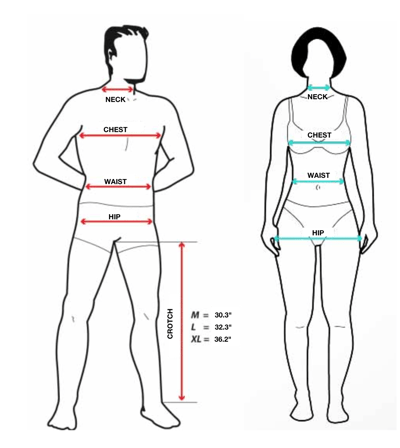
At Africa Creates, we do not believe in the myth of predefined sizes. Each body is different and deserves an outfit just as unique. Therefore, to use this guide, we recommend using your measurements in inches (as explained below) rather than the "4 to 22" sizes.
From there you can select the corresponding international size for your order, and each seller will then be able to make sure to send the PERFECT fit for YOU!
How to measure ?
Collar size
Measure around the neck at the neck.
Chest size
Measure around your bust where it is wider by placing the tape measure under the arms and over the shoulder blades.
Waist size
Measure in the hollow of the waist.
Hip size
Keep your feet together and measure the widest part.
Crotch tower
Measure the top of the crotch up to the ankle bone.




 United States